
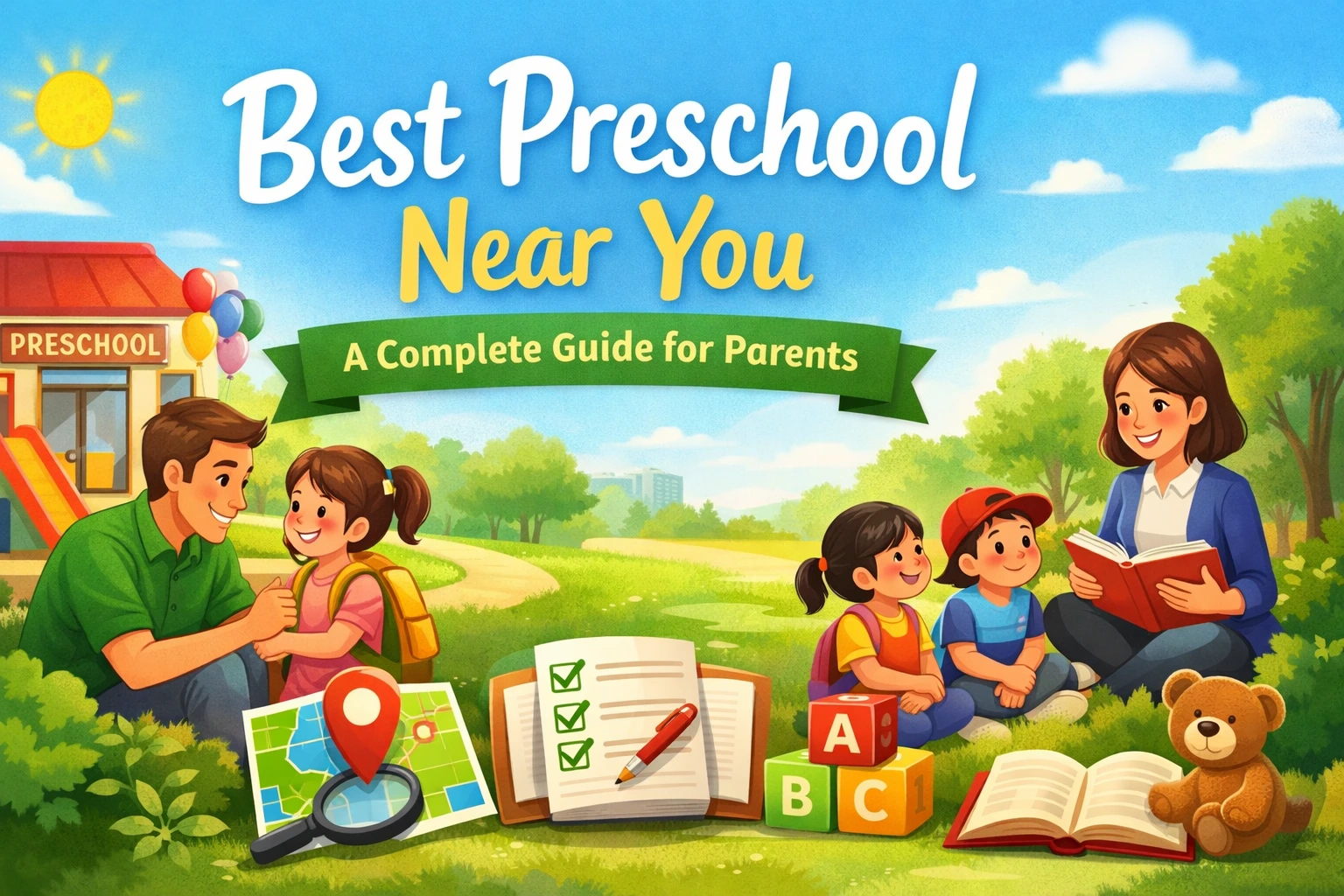
Choosing the right preschool is one of the most important early decisions parents make for their child. When parents search for “best preschool near me”, they are not just looking for a nearby building—they are looking for a safe space, caring teachers, and a nurturing environment where their child can grow with confidence.
What Parents Usually Mean by “Best Preschool Near Me”
When parents type or say “preschool near me”, the intent is usually very clear:
- A preschool close to home or workplace
- Easy daily commute for parents and children
- A familiar neighborhood environment
- Better involvement in school activities
However, proximity alone is not enough. The best preschool near you should balance location, safety, learning quality, and emotional care.
Why the Early Years Matter So Much
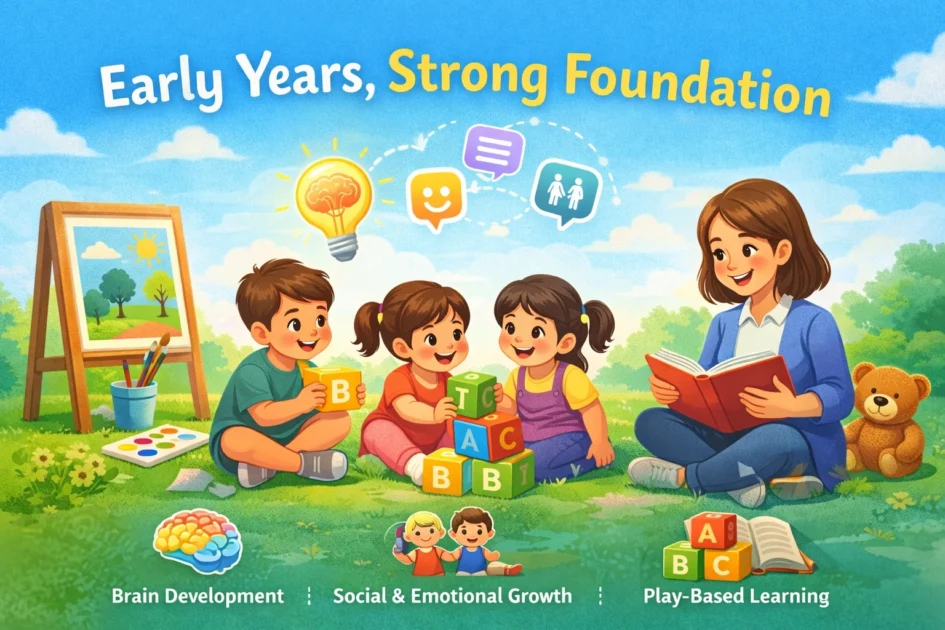
The first five years of a child’s life are critical for brain development. During this period, children develop:
A good preschool helps children:
- Social skills
- Emotional understanding
- Language and communication
- Curiosity and confidence
A good preschool supports these areas through play-based learning, structured routines, and positive teacher interaction.
Research and modern education practices show that children who attend a well-structured preschool adapt better to formal schooling later in life.
How to Choose the Best Preschool Near You
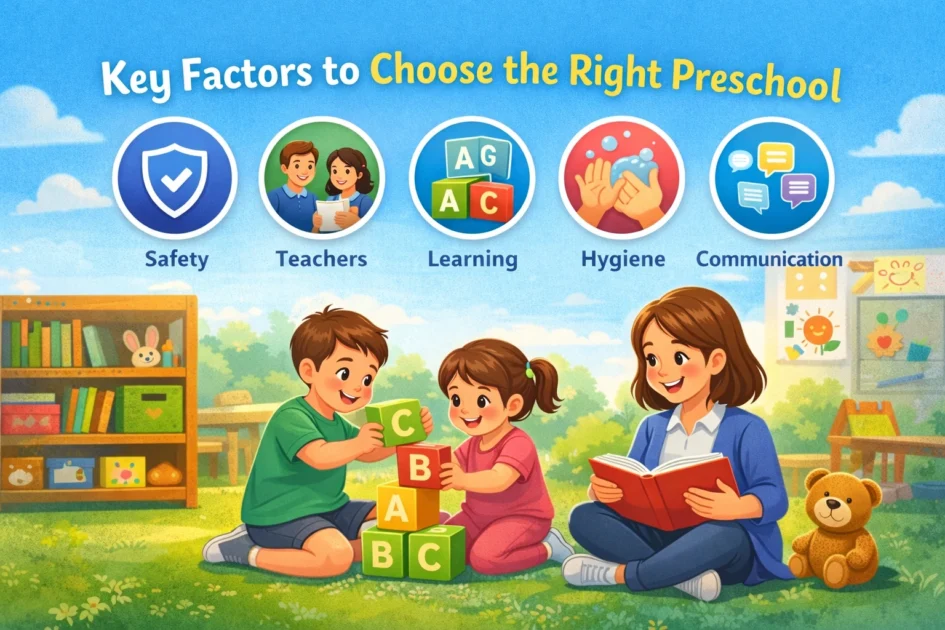
Instead of choosing the first result you see online, use the following checklist to make a confident decision.
Safety and Hygiene
Safety should always come first. Look for:
- CCTV surveillance
- Secure entry and exit
- Clean classrooms and washrooms
- Child-friendly furniture and play equipment
Qualified and Caring Teachers
Teachers play a vital role in shaping early experiences. A good preschool should have:
- Trained early childhood educators
- Low student-to-teacher ratio
- Warm and patient teaching staff
Children learn best when they feel emotionally secure.
Play-Based and Activity-Based Learning
Modern preschools focus on learning through play, not rote memorization.
Look for activities such as:
- Storytelling and role play
- Music and movement
- Art and craft
- Sensory and hands-on activities
These methods help children learn naturally while enjoying the process.
Curriculum and Daily Structure
Ask about:
- Daily routine and class schedule
- Balance between free play and guided activities
- Language exposure and communication skills
A structured yet flexible routine helps children feel secure and confident.
Preschool vs Daycare: What Parents Should Know
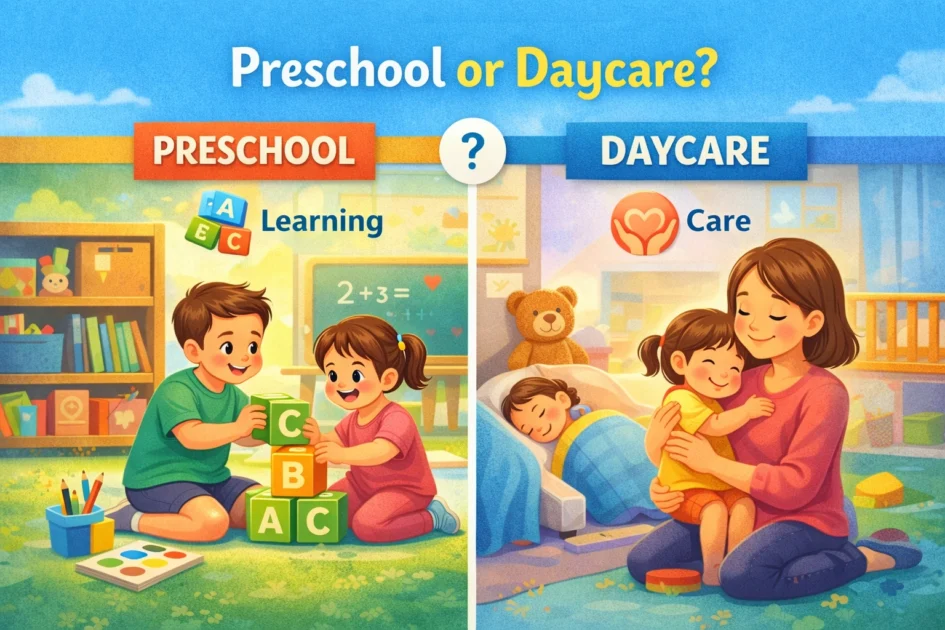
Many parents confuse preschools with daycare centers. While both play important roles, they serve slightly different purposes.
Preschool Focuses On:
- Early learning and development
- Social interaction with peers
- School readiness
- Cognitive and language growth
Daycare Focuses On:
- Care and supervision
- Flexible hours for working parents
- Routine-based daily activities
Some modern centers successfully combine preschool and daycare, offering the best of both worlds—learning along with care.
What to Observe During a Preschool Visit
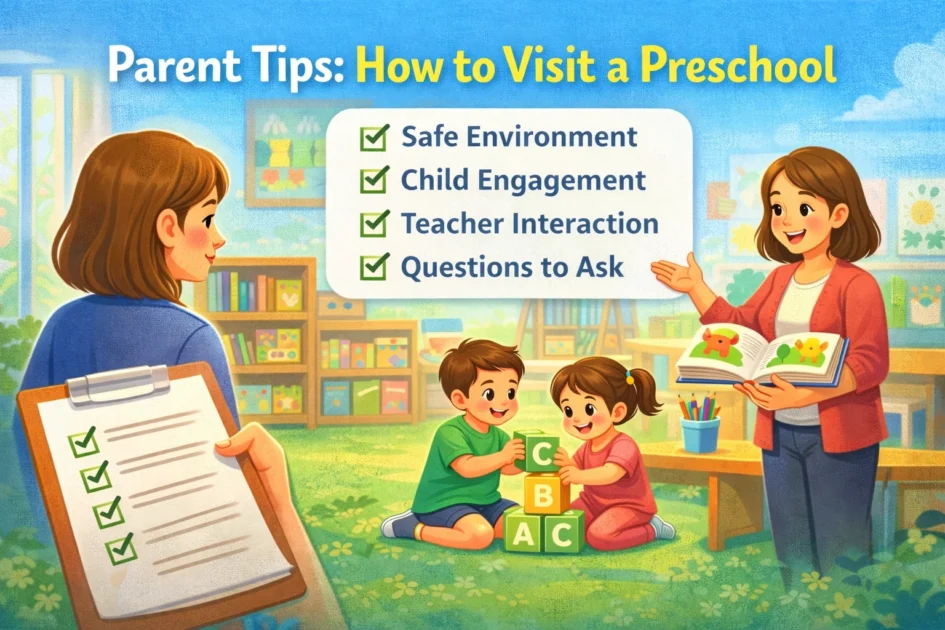
Before finalizing admission, always visit the preschool personally. During your visit, observe:
During a visit, parents may want to notice:
- How teachers interact with children
- Whether children look happy and engaged
- Cleanliness and classroom setup
- Availability of learning and play materials
Often, these small observations reveal more than formal presentations.
Choosing a Preschool That Grows With the Child
A preschool should not rush children toward academic milestones. Instead, it should support:
- Emotional maturity
- Social confidence
- Curiosity and creativity
Children who feel secure and respected during their early years are more likely to enjoy learning later in school.
The Role of Parents in Preschool Education
Preschool education works best when parents and teachers collaborate. Parents can support learning by:
- Maintaining routines at home
- Encouraging communication
- Attending school meetings and events
- Reinforcing positive habits gently
A strong parent-school partnership benefits the child immensely.
Technology, Safety, and Modern Preschools
In 2026, many preschools integrate technology responsibly, such as:
- Parent communication apps
- CCTV access for safety
- Digital updates and newsletters
Technology should support learning and transparency, not replace human interaction.
FAQs
How early should a child start preschool?
Most children can start preschool between 2 to 3 years, depending on emotional readiness.
Is play-based learning effective?
Yes. Play-based learning helps children develop creativity, problem-solving skills, and confidence naturally.
How do I know if a preschool is right for my child?
Observe your child’s comfort during visits, interactions with teachers, and willingness to return.
Does a good preschool guarantee academic success later?
While no school can guarantee outcomes, a strong early foundation supports long-term learning habits and confidence.
Should I choose a preschool close to home?
Yes, choosing a preschool near you makes daily routines smoother and helps maintain consistency.
Signs You’ve Found the Right Preschool
You’ve likely found the right preschool near you if:
- Your child feels excited to attend
- Teachers communicate openly
- The environment feels safe and positive
- Learning happens through joy, not pressure
A good preschool creates a foundation of trust, curiosity, and confidence.
Conclusion
Searching for the best preschool near me is not about finding perfection—it’s about finding the right fit for your child. Every child is unique, and the best preschool is one that understands and nurtures that individuality.
Take your time, ask questions, visit campuses, and trust your judgment. The right preschool will not only educate your child but also support their emotional and social growth during these crucial early years.
Searching for the best preschool near me is the first step. Making an informed, thoughtful decision is what truly makes the difference.